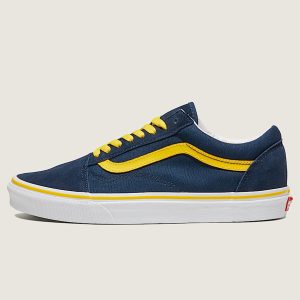
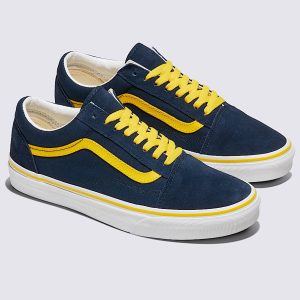
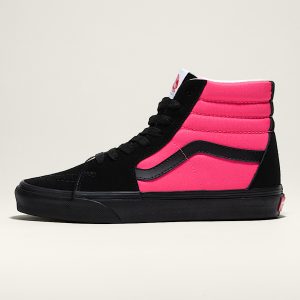
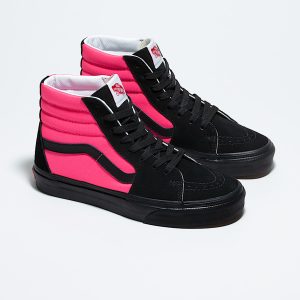
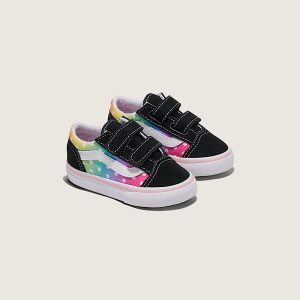
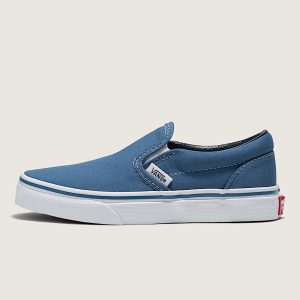
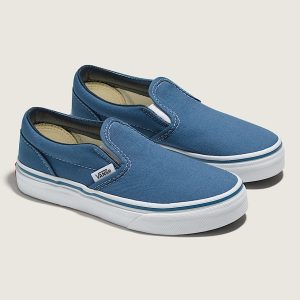
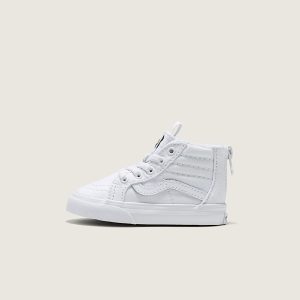
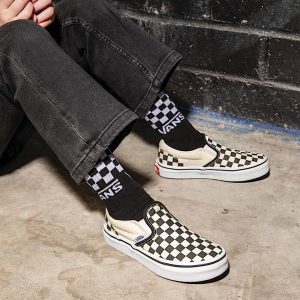
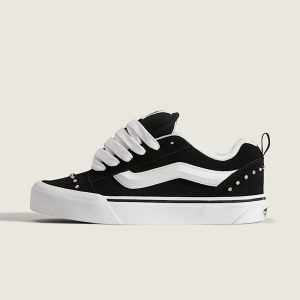
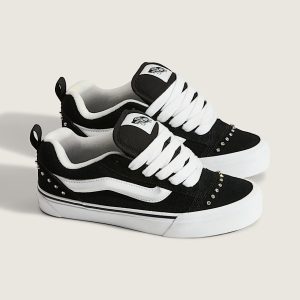
Walk into any closet, and you’ll likely find a mix of jeans, dresses, sweaters, and jackets—but it’s the shoes that tie everything together. A pair of sneakers can turn a formal dress into a casual daytime look; a sleek heel can elevate jeans and a tee from “errand-ready” to “date-night chic”; a sturdy boot can make a winter coat feel both practical and polished. Shoes aren’t just an afterthought in fashion—they’re the foundation of every outfit. They dictate how you move, how you feel, and even how others perceive your style. Yet for many of us, shoe shopping feels like a balancing act: we want something stylish, but it has to be comfortable. We need shoes that work for work, for weekends, for special occasions—but our closets can only hold so much.
In this guide, we’re diving deep into the world of shoes and fashion, exploring how to choose footwear that complements your style, fits your lifestyle, and stands the test of time. We’ll break down iconic shoe styles, teach you how to pair shoes with any outfit (from casual to formal), and share tips for caring for your shoes so they last for years. Whether you’re a sneaker lover, a heel enthusiast, or someone who prioritizes comfort above all, this post is for you. Because when it comes to fashion, the right shoes don’t just complete an outfit—they make it.
You might think a statement dress or a well-tailored blazer is the star of your outfit, but shoes have a unique power to transform even the simplest clothes. Here’s why footwear deserves more credit in your fashion lineup:
Every shoe style sends a message—and that message shapes the entire vibe of your look. A pair of white sneakers says “relaxed and approachable,” making a midi dress feel laid-back enough for brunch. Ankle boots with a block heel say “polished but edgy,” turning jeans and a sweater into a look that works for a casual office or a night out. A strappy sandal with a stiletto says “glamorous,” elevating a basic black dress into wedding-guest material. Think of shoes as the “mood ring” of your outfit—they tell the world what kind of day (or night) you’re having before you even say a word.
Unlike a statement necklace or a scarf—accessories that are purely decorative—shoes have to work hard. They need to keep your feet comfortable during a 10-hour workday, provide traction on rainy sidewalks, and support your arches during a weekend hike. The best shoes do all of this and look good. A pair of waterproof leather boots, for example, keeps your feet dry in snow while adding a chic touch to your winter coat. A pair of supportive sneakers with a sleek design lets you run errands in comfort without sacrificing style. When you choose shoes that balance form and function, you’re not just dressing well—you’re making your life easier.
We’ve all had that moment: slipping on a pair of shoes that makes us stand a little taller, walk a little more confidently. Maybe it’s a pair of heels that lengthen your legs, a pair of limited-edition sneakers that makes you feel “in the know,” or a pair of worn-in boots that feels like a trusted friend. When your shoes fit well and align with your style, they take the stress out of getting dressed. You don’t have to worry about sore feet or feeling “out of place”—you can focus on enjoying your day. That sense of ease? It’s confidence, and it starts from the feet up.
Trendy clothes come and go—remember when cold-shoulder tops were everywhere?—but iconic shoe styles never go out of fashion. A pair of black leather loafers, white sneakers, or ankle boots will still be stylish 10 years from now, while that neon crop top will likely end up in the back of your closet. Investing in high-quality shoes isn’t just a splurge—it’s a way to build a wardrobe that lasts. A well-made pair of leather heels can be resoled when the soles wear down; a sturdy pair of boots can be polished to look like new after years of use. Shoes are one of the few fashion pieces that get better with time—if you care for them.
Some shoe styles have stood the test of time for a reason: they’re versatile, comfortable, and work with almost any outfit. Below, we’re breaking down the most iconic shoe styles, what makes them special, and how to incorporate them into your wardrobe. These are the shoes you’ll reach for again and again—no matter the season or the occasion.
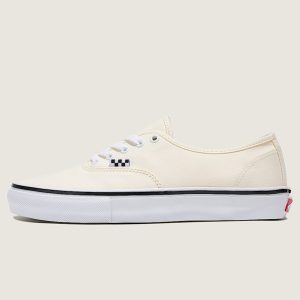
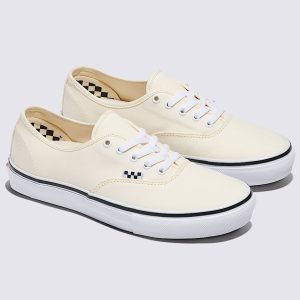
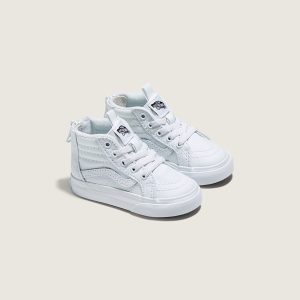
White sneakers are the backbone of any casual wardrobe. They’re simple, clean, and pair with literally anything—from jeans and a tee to a maxi dress to tailored pants. What makes them so iconic? They’re timeless (white sneakers have been popular since the 1950s, thanks to brands like Converse and Adidas) and endlessly adaptable. You can dress them up with a blazer or dress them down with shorts—they never feel out of place.
What to look for:
- Material: Leather or suede white sneakers are easier to clean than canvas (just wipe them with a damp cloth). Canvas sneakers are more casual and affordable, but they can stain easily (opt for a water-resistant canvas if you live in a rainy area).
- Fit: Look for sneakers with a cushioned insole and arch support—you’ll be wearing them all day, so comfort is key. Avoid sneakers that are too tight (they’ll cause blisters) or too loose (they’ll slip off when you walk).
- Style: Low-top sneakers are more versatile (they work with shorts, dresses, and cropped pants), while high-top sneakers add a retro edge (great with jeans or leggings).
How to style them:
- Casual weekend: White sneakers + high-waisted jeans + tucked-in graphic tee + denim jacket. Add a baseball cap for a laid-back vibe.
- Brunch with friends: White sneakers + floral midi dress + oversized cardigan. The sneakers keep the dress from feeling too “fancy,” while the cardigan adds warmth for cool mornings.
- Casual office: White sneakers + tailored pants (cropped at the ankle) + button-down shirt + blazer. This look is polished enough for a relaxed workplace but comfortable enough for a commute.
Ankle boots—boots that hit just above or below the ankle—are the ultimate transition shoe. They work in spring (paired with dresses and tights), fall (with jeans and sweaters), and winter (with coats and scarves). They come in endless styles: block heel, stiletto, lace-up, Chelsea, combat—but all share one thing in common: they’re versatile. Ankle boots add a touch of edge to soft outfits (like a flowy dress) and a touch of polish to casual outfits (like jeans and a hoodie).
What to look for:
- Heel height: For all-day comfort (commuting, walking), go with a flat or low block heel (1–2 inches). For dressier occasions (dates, parties), a higher block heel (3–4 inches) adds height without sacrificing stability (avoid stilettos if you’ll be walking on uneven ground).
- Material: Leather ankle boots are durable and easy to clean—look for full-grain leather, which ages beautifully. Suede ankle boots are softer and more casual, but they’re not water-resistant (save them for dry days or treat them with a suede protector spray).
- Closure: Zipper ankle boots are easy to slip on and off, while lace-up ankle boots add a retro touch (great for edgier looks).
How to style them:
- Fall days: Ankle boots + skinny jeans (tucked into the boots) + oversized sweater + scarf. This look is cozy, stylish, and perfect for pumpkin patches or apple picking.
- Spring nights: Ankle boots + midi dress (floral or solid color) + tights + leather jacket. The tights keep you warm, while the boots add edge to the dress.
- Winter weekends: Ankle boots + leggings + long sweater + puffer vest. This look is warm, comfortable, and great for running errands or meeting friends for coffee.
Loafers are the epitome of “effortless polish.” They’re slip-on shoes with a low heel (or no heel) and a classic shape—think of them as the grown-up version of sneakers. Loafers were originally designed for men in the 1930s, but today they’re a staple in both men’s and women’s wardrobes. They’re perfect for work, school, or any occasion where you want to look put-together without wearing heels.
What to look for:
- Material: Leather loafers are the most classic—black, brown, or tan leather works with almost any outfit. Suede loafers are softer and more casual (great for weekends), while patent leather loafers add a dressy touch (perfect for formal events).
- Fit: Loafers should fit snugly around your foot but not feel tight. Look for loafers with a cushioned insole—they’ll be more comfortable for all-day wear. Avoid loafers that are too loose (they’ll slip off when you walk) or too narrow (they’ll pinch your toes).
- Style: Penny loafers (with a small slot for a penny) are the most iconic, but tassel loafers (with tassels on the front) add a preppy touch. Bit loafers (with a metal “bit” across the front) are more formal—great for the office.
How to style them:
- Workwear: Loafers + tailored pants (cropped or full-length) + button-down shirt + blazer. This look is professional but not stuffy—perfect for meetings or presentations.
- Weekend casual: Loafers + chinos (khaki or navy) + polo shirt + cardigan. This look is preppy and comfortable, great for brunch or a day of shopping.
- Dressy casual: Loafers + midi skirt (pleated or A-line) + tucked-in tee + blazer. This look works for a baby shower, a casual wedding, or a day at the office.
Heels are the ultimate fashion statement—they lengthen your legs, improve your posture, and add a touch of glamour to any outfit. But let’s be real: not all heels are created equal. A well-made, comfortable heel can make you feel like a million bucks; a cheap, poorly designed heel can leave you with blisters and sore feet. The key is to choose heels that fit well and match your lifestyle.
What to look for:
- Heel style: Block heels are the most comfortable—they distribute weight evenly, so you can wear them for hours. Stiletto heels are glamorous but less stable (best for short periods, like a dinner out). Wedge heels add height without the instability of a stiletto—great for outdoor events (like a garden wedding).
- Material: Leather heels are durable and mold to your feet over time (making them more comfortable). Satin or velvet heels are dressy—perfect for formal events—but they’re more delicate (avoid wearing them in rain or on rough surfaces).
- Fit: Heels should fit snugly around your ankle (if they have an ankle strap) and your toes should have enough room to move (avoid pointy toes if you have wide feet). Look for heels with a padded insole—this will reduce pressure on the balls of your feet.
How to style them:
- Formal events: Stiletto heels + floor-length gown + clutch + statement jewelry. This look is glamorous and timeless—perfect for a wedding, gala, or prom.
- Date night: Block heels + skinny jeans + silk blouse + leather jacket. The heels add polish to the casual jeans, while the leather jacket keeps the look from feeling too dressy.
- Office: Low block heels + pencil skirt + button-down shirt + blazer. This look is professional and stylish—great for a job interview or an important meeting.
Sandals are the ultimate summer shoe—they’re lightweight, breathable, and perfect for warm weather. They come in endless styles: flip-flops, slides, strappy sandals, gladiator sandals—but all are designed to keep your feet cool. Sandals are casual by nature, but they can be dressed up with the right outfit (think strappy sandals with a maxi dress) or kept casual (flip-flops with shorts and a tee).
What to look for:
- Support: Avoid flat flip-flops with no arch support—they can cause foot pain if worn for long periods. Look for sandals with a cushioned insole and arch support (brands like Birkenstock or Teva make great supportive sandals).
- Material: Leather sandals are durable and mold to your feet (making them more comfortable). Synthetic sandals (like plastic or rubber) are affordable and easy to clean—great for the beach or pool.
- Style: Slides are easy to slip on and off—perfect for running errands or going to the beach. Strappy sandals with a low heel are dressy—great for summer weddings or dinners. Gladiator sandals (with multiple straps up the leg) add a boho touch—perfect for pairing with maxi dresses or shorts.
How to style them:
- Beach day: Flip-flops or slides + swimsuit + cover-up + sunhat. This look is casual and practical—great for lounging on the sand or walking along the boardwalk.
- Summer brunch: Strappy sandals (with a low heel) + linen shorts + tucked-in tank top + sunglasses. This look is light, airy, and perfect for warm mornings.
- Summer wedding: Strappy sandals (with a block heel) + midi dress (floral or solid color) + clutch + earrings. This look is dressy enough for a wedding but comfortable enough for dancing.
One of the biggest fashion struggles people face is figuring out which shoes to wear with which outfit. Should you wear sneakers with a dress? Can you wear boots with shorts? The answer is almost always “yes”—as long as you follow a few simple rules. Below, we’re breaking down how to pair shoes with the most common outfit types, so you’ll never have to ask “does this match?” again.
Jeans are a wardrobe staple, and almost any shoe style works with them—but the key is to match the shoe to the fit of the jeans and the occasion.
- Skinny jeans: Skinny jeans are form-fitting, so they pair well with shoes that show off your ankles. Try ankle boots (tuck the jeans into the boots), loafers (let the jeans sit just above the loafers), or sneakers (roll the cuffs slightly to show the sneakers). Avoid wide-leg shoes (like platform sneakers) with skinny jeans—they’ll make your legs look unbalanced.
- Straight-leg jeans: Straight-leg jeans are relaxed but not baggy, so they work with almost any shoe. Try white sneakers (for a casual look), block-heel ankle boots (for a polished look), or loafers (for a preppy look). If the jeans are cropped, let them sit just above the shoe—this will lengthen your legs.
- Wide-leg jeans: Wide-leg jeans are flowy and dramatic, so they pair best with shoes that add height (to balance the width of the jeans). Try heels (block or stiletto), wedges, or platform sneakers. Avoid flat shoes (like flip-flops) with wide-leg jeans—they’ll make you look shorter.
- Distressed jeans: Distressed jeans are casual, so they pair best with casual shoes. Try white sneakers, combat boots, or flip-flops (for summer). Avoid dressy shoes (like stilettos) with distressed jeans—they’ll clash with the casual vibe.
Dresses come in endless styles—midi, maxi, mini, shift, fit-and-flare—and the right shoe can make or break the look. Here’s how to pair shoes with different dress styles:
- Midi dresses: Midi dresses hit between the knee and ankle, so they pair best with shoes that don’t cut off your legs at an unflattering spot. Try ankle boots (for fall/winter), white sneakers (for casual days), or block heels (for dressy days). Avoid shoes with ankle straps that sit at the same length as the dress—this will make your legs look shorter.
- Maxi dresses: Maxi dresses are flowy and long, so they pair well with shoes that add height (to prevent the dress from dragging on the ground) or keep it casual. Try wedges (for outdoor events), block heels (for formal events), or white sneakers (for casual days). If the dress has a slit, let the shoe peek through—this adds visual interest.
- Mini dresses: Mini dresses are short, so they pair best with shoes that lengthen your legs. Try knee-high boots (for fall/winter), strappy sandals (for summer), or white sneakers (for a casual, retro look). Avoid shoes that cover your ankles (like ankle boots) with mini dresses—they’ll make your legs look shorter.
- Shift dresses: Shift dresses are loose and boxy, so they pair best with shoes that add shape. Try belted heels (to cinch your waist), loafers (for a preppy look), or white sneakers (for a casual look). If the dress is plain, add a statement shoe (like red heels) to liven up the outfit.
Skirts are a versatile piece—they can be casual (denim skirts) or formal (tulle skirts)—and the right shoe can help you achieve the look you want.
- Pleated skirts: Pleated skirts are preppy and feminine, so they pair best with polished shoes. Try loafers (for a preppy look), block heels (for a dressy look), or white sneakers (for a casual look). If the skirt is short, let the shoe show—this will lengthen your legs.
- Leather skirts: Leather skirts are edgy and bold, so they pair best with shoes that balance the edge. Try ankle boots (for a tough-chic look), white sneakers (for a casual edge), or strappy heels (for a glamorous edge). Avoid frilly or overly feminine shoes (like ballet flats) with leather skirts—they’ll clash with the edgy vibe.
- A-line skirts: A-line skirts are flattering on almost every body type—they cinch at the waist and flare out at the hips. They pair best with shoes that add height (to balance the flare). Try block heels (for a polished look), wedges (for a casual look), or ankle boots (for fall/winter).
- Maxi skirts: Maxi skirts are flowy and dramatic, so they pair best with shoes that add height (to prevent the skirt from dragging) or keep it casual. Try wedges (for outdoor events), block heels (for formal events), or white sneakers (for casual days). If the skirt is printed, pair it with a neutral shoe (like black or white) to let the skirt be the star.
Workwear requires shoes that are both professional and comfortable—you’ll be wearing them for 8+ hours, so comfort is key. Here’s how to pair shoes with common workwear pieces:
- Tailored pants: Tailored pants are polished and professional, so they pair best with polished shoes. Try loafers (for a preppy look), block heels (for a dressy look), or ankle boots (for fall/winter). If the pants are full-length, let them sit just above the shoe—this will keep the look clean. If the pants are cropped, show off the shoe—this adds visual interest.
- Pencil skirts: Pencil skirts are form-fitting and professional, so they pair best with shoes that are sleek and polished. Try block heels (for comfort and height), loafers (for a preppy look), or ankle boots (for fall/winter). Avoid shoes that are too bulky (like platform sneakers) with pencil skirts—they’ll make the look feel unbalanced.
- Sheath dresses: Sheath dresses are simple and elegant, so they pair best with shoes that add a touch of glamour. Try block heels (for comfort), strappy heels (for formal events), or loafers (for a casual work environment). If the dress is plain, add a statement shoe (like metallic heels) to liven up the outfit.
A good pair of shoes is an investment—so you want to keep them in top shape for as long as possible. Neglecting your shoes (like leaving them wet or dirty) will make them wear out faster, fade, or crack. Below are care tips for the most common shoe materials:
Leather shoes are durable and timeless, but they need regular care to stay in good condition. Here’s how to care for them:
- Clean them regularly: Wipe off dirt and dust with a soft cloth (a microfiber cloth works best) after each wear. For stubborn stains (like mud), mix a small amount of mild soap (dish soap or leather cleaner) with warm water, dip a cloth in the solution, and gently wipe the stain. Don’t use harsh chemicals (like bleach)—they’ll damage the leather.
- Condition them to prevent cracking: Leather dries out over time, which makes it crack. Every 1–2 months (or when the leather feels dry), apply a leather conditioner. Use a clean cloth to rub a small amount of conditioner into the leather in circular motions. Let it sit for 10–15 minutes, then wipe off any excess with a dry cloth. Conditioner keeps the leather soft and supple—think of it like moisturizer for your shoes.
- Polish them for shine (optional): If you want your leather shoes to look shiny (great for formal events), use leather polish. Choose a polish that matches the color of your shoes (black, brown, tan…). Apply a small amount of polish to a cloth or polish brush, and rub it into the leather in circular motions. Let it dry for 5–10 minutes, then buff with a clean cloth until it shines.
- Store them properly: When you’re not wearing your leather shoes, store them in a cool, dry place (avoid direct sunlight—sunlight fades leather). Stuff them with newspaper or shoe trees (wooden or plastic) to keep their shape—this prevents the toes from collapsing. If you’re storing them for a long time (like summer), wrap them in a breathable cloth (cotton, not plastic—plastic traps moisture, which can cause mold).
Suede shoes are soft and stylish, but they’re also delicate—they stain easily and aren’t water-resistant. Here’s how to care for them:
- Protect them before wearing: The first thing you should do with new suede shoes is apply a suede protector spray. Hold the can 6–8 inches away from the shoe and spray evenly (cover the entire shoe). Let it dry for 24 hours before wearing. This spray creates a barrier that repels water and stains—so if you step in a puddle, the water will bead up and roll off instead of soaking into the suede. Reapply the spray every 3–4 months (or after cleaning).
- Clean them gently: For dry dirt, use a suede brush (a soft-bristled brush with rubber tips) to brush the dirt off in one direction (don’t scrub—this will damage the suede). For wet stains (like coffee or mud), let the suede dry completely first—if you wipe it while it’s wet, the stain will spread. Once it’s dry, brush the stain with the suede brush. For oil stains, sprinkle cornstarch or talcum powder on the stain and let it sit overnight—this absorbs the oil. Then brush off the powder.
- Avoid water and heat: Never wear suede shoes in heavy rain or snow—water ruins suede. If they do get wet, stuff them with newspaper to absorb moisture and let them air dry in a cool place (don’t put them near a heater or in direct sunlight—heat dries out suede and makes it stiff).
- Store them carefully: Store suede shoes in a cool, dry place. Use shoe trees to keep their shape, and wrap them in a breathable cloth (avoid plastic). Keep them away from other shoes that might rub against them—suede scratches easily.
Sneakers are casual and comfortable, but they can get dirty quickly. Here’s how to keep them looking like new:
- Clean the upper (the top part): For canvas sneakers, mix a small amount of mild soap with warm water, dip a brush (a toothbrush works well) in the solution, and gently scrub the dirt off. For leather or suede sneakers, use a damp cloth (for leather) or a suede brush (for suede) to clean them—avoid getting them too wet.
- Clean the sole: The sole of a sneaker gets the dirtiest—use a brush and soapy water to scrub off mud and dirt. For stubborn stains (like grass or oil), use a small amount of baking soda mixed with water to make a paste. Apply the paste to the stain, let it sit for 10 minutes, then scrub with a brush.
- Deodorize them: Sneakers can get smelly over time—sprinkle baking soda inside the shoes and let it sit overnight. The baking soda absorbs odors. In the morning, shake out the baking soda. You can also use shoe deodorizer sprays (available at drugstores) to keep them fresh.
- Store them properly: Store sneakers in a cool, dry place. Avoid stacking them on top of each other—this can damage the shape. Use shoe racks or shoe boxes to keep them organized. If you’re storing them for a long time, stuff them with newspaper to keep their shape.
Heels are glamorous but delicate—they can break or wear down quickly if not cared for. Here’s how to care for them:
- Protect the sole: The sole of a heel wears down quickly, especially if you walk on rough surfaces. Apply a sole protector (a thin, clear sticker that adheres to the sole) to extend the life of the heel. You can buy sole protectors at shoe stores or online.
- Clean the upper: For leather heels, wipe them with a damp cloth after each wear. For satin or velvet heels, use a soft brush to remove dirt—avoid getting them wet (satin and velvet stain easily).
- Repair them when needed: If the heel tip (the small rubber piece at the bottom of the heel) wears down, replace it—this prevents the heel from breaking and makes the shoe more stable. You can take heels to a cobbler to have the heel tips replaced, or you can buy replacement heel tips online and do it yourself.
- Store them properly: Store heels in a cool, dry place. Use shoe trees to keep their shape, and avoid stacking them—this can damage the heel or the upper. If you’re storing them in a shoe box, wrap them in tissue paper to prevent scratches.
The world of shoes and fashion is always evolving, with new trends popping up every year. Some trends fade quickly, but others stick around because they offer real value. Here are the top shoe trends to watch in 2024 and beyond:
Sustainability is a huge trend in fashion, and shoes are no exception. More brands are making shoes from recycled materials—like recycled plastic (from water bottles), recycled rubber (from tires), or vegan leather (made from pineapple leaves, mushroom leather, or apple peels). Many brands also use eco-friendly production methods (like waterless dyeing) to reduce their environmental impact.
Why it’s here to stay: Consumers are becoming more aware of the fashion industry’s impact on the planet, and they’re demanding more sustainable options. Sustainable shoes are just as stylish and comfortable as traditional shoes—they’re not a “compromise.” Brands like Allbirds (recycled wool and sugarcane sneakers), Rothy’s (recycled plastic flats), and Matt & Nat (vegan leather shoes) are leading the way in sustainable footwear.
Chunky sneakers—also called “dad shoes”—are back in a big way. These sneakers have thick, bulky soles and a retro design (think 90s-style sneakers). They’re comfortable and stylish, and they pair with almost any outfit (jeans, dresses, skirts).
Why it’s here to stay: Chunky sneakers are comfortable—they have thick soles that provide support and cushioning. They’re also versatile—you can dress them up with a dress or keep them casual with jeans. Brands like Balenciaga (Triple S sneakers), Nike (Air Max 97), and New Balance (990v6) are popular choices for chunky sneakers.
Metallic shoes—shoes in gold, silver, or bronze—are a trend that’s gaining popularity. They add a touch of glamour to any outfit, and they’re versatile enough to wear with casual or formal clothes. Metallic shoes come in all styles: sneakers, heels, loafers, ankle boots.
Why it’s here to stay: Metallic shoes are a great way to add a pop of color to a neutral outfit (like black or white). They’re also timeless—gold and silver never go out of style. You can wear metallic sneakers with jeans and a tee for a casual look, or metallic heels with a black dress for a formal look.
More and more people are prioritizing comfort in their shoes—without sacrificing style. Brands are responding by creating shoes that are both comfortable and stylish: sneakers with arch support, heels with cushioned insoles, and boots with soft linings.
Why it’s here to stay: The pandemic changed how we dress—we’re spending more time at home and more time walking, so comfort is key. Even as we return to offices and events, we’re not willing to give up comfort for style. Brands like Clarks (comfortable loafers), Ecco (supportive heels), and Birkenstock (supportive sandals) are leading the way in comfort-first footwear.
At the end of the day, shoes are more than just something you put on your feet. They’re a way to express your style, to adapt to your day, and to feel confident in your own skin. A great pair of shoes can turn a bad day around, make a good outfit great, and even become a cherished memory (like the shoes you wore on your wedding day or the sneakers you saved up to buy as a kid).
When you’re choosing shoes, don’t just think about how they look—think about how they make you feel. Do they make you walk a little taller? Do they keep your feet comfortable all day? Do they reflect who you are? If the answer to these questions is “yes,” you’ve found a pair that’s worth keeping.
And remember: fashion is fun. Don’t be afraid to experiment with different shoe styles—try a pair of metallic sneakers if you usually wear white, or a pair of ankle boots with a dress if you usually wear heels. The best part about shoes is that there’s no “right” or “wrong” way to wear them—you just have to wear what makes you happy.
What’s your favorite pair of shoes? Do you have a go-to style or a shoe care tip to share? Let us know in the comments below—we’d love to hear your story!